
Medication Organ Risk Calculator
Assess Your Medication Risks
Enter your current medications and dosages to see potential organ damage risks based on clinical guidelines.
mg
When you take a medication, you expect it to help - not harm. But some drugs don’t just target the problem you’re treating. They quietly damage your liver, kidneys, heart, or nerves. These aren’t random accidents. They’re predictable, measurable, and often preventable. Understanding how and why this happens can save your health - or even your life.
Liver Damage: The Silent Victim
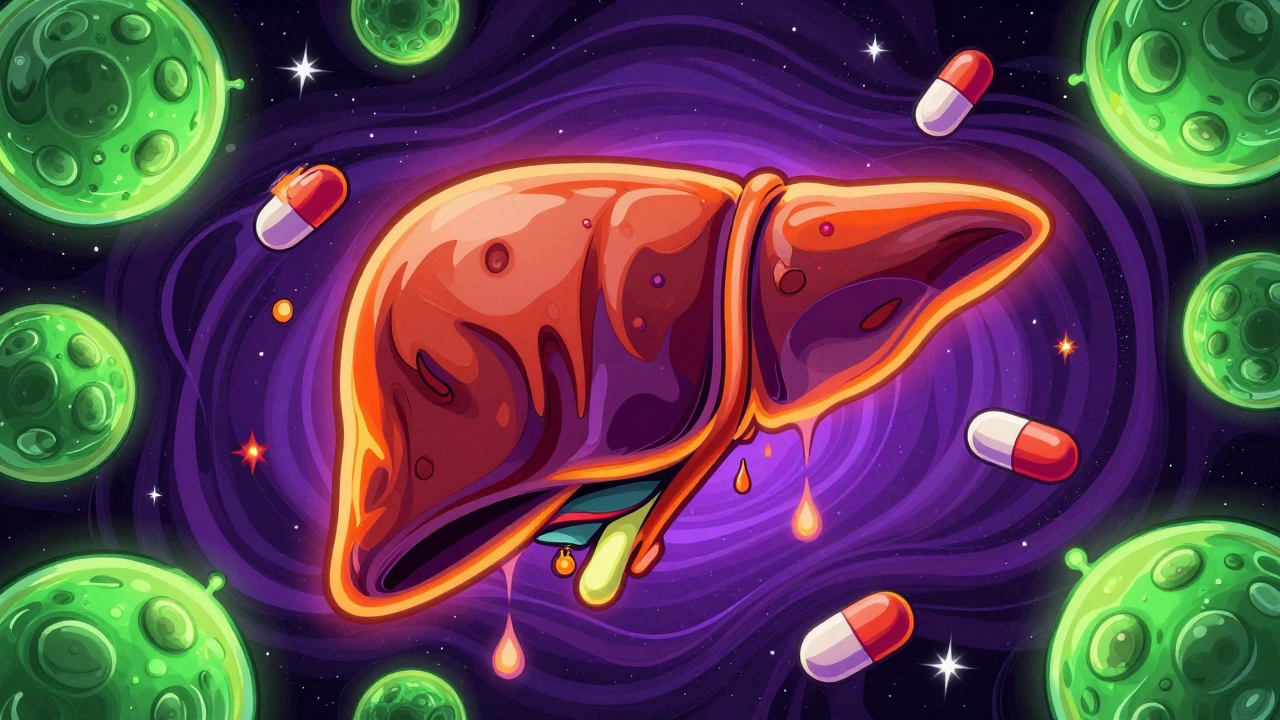
Your liver is the body’s chemical factory. It breaks down everything you swallow. That’s why it’s the most common target of drug toxicity. Acetaminophen, the active ingredient in Tylenol, is the #1 cause of acute liver failure in the U.S. Take more than 7.5 grams in a day - just 15 pills - and you risk irreversible damage. The problem isn’t the pill itself. It’s what your liver turns it into: NAPQI, a toxic byproduct that destroys liver cells when glutathione, your natural antioxidant, runs out. Other drugs like isoniazid (for tuberculosis) and statins (for cholesterol) also hit the liver hard. About 10-20% of people on isoniazid show elevated liver enzymes, even without symptoms. If you’re a slow acetylator - a genetic trait common in 40-50% of Caucasians - your risk doubles. Statins cause liver enzyme spikes in up to 2% of users, especially if you carry the SLCO1B1 gene variant. That’s not a reason to avoid them. It’s a reason to get tested if you’re on long-term therapy. Symptoms? Fatigue, nausea, dark urine, yellow skin. But here’s the catch: 68% of people don’t notice anything until their liver is already damaged. That’s why routine blood tests - ALT and AST levels - are non-negotiable if you’re on chronic meds. The rule? Stop the drug if ALT is more than 5 times the normal limit, or if it’s 3 times higher and bilirubin is also up. That’s the AASLD guideline. Ignore it, and you risk needing a transplant.Kidney Injury: Hidden by Silence
Your kidneys filter 200 quarts of blood every day. That’s a lot of exposure. And many drugs don’t care. Aminoglycosides like gentamicin can wreck kidney cells in 10-25% of patients. The risk jumps to 50% if you’re on it longer than a week. NSAIDs like ibuprofen? They cause kidney injury in 15% of older adults. Not because they’re evil. But because they reduce blood flow to the kidneys, especially if you’re dehydrated or already have reduced function. Contrast dye used in CT scans? It causes kidney damage in up to 50% of people with existing kidney disease. Vancomycin? If your blood level goes above 15 mg/L, your risk of kidney injury climbs by 1.3 times for every extra 5 mg/L. That’s not a guess. That’s data from clinical studies. The scary part? 44% of people with NSAID-related kidney damage don’t feel a thing until a blood test shows their creatinine is high. No pain. No swelling. Just silent decline. That’s why doctors check eGFR before prescribing anything. If your eGFR drops below 60, 38% of common drugs need dose changes. Below 30? Hold them. That’s KDIGO’s clear advice. New biomarkers like TIMP-2 and IGFBP7 can spot kidney injury 24-48 hours before creatinine rises. They’re not in every hospital yet - but they should be. Early detection means you can stop the drug before permanent damage sets in.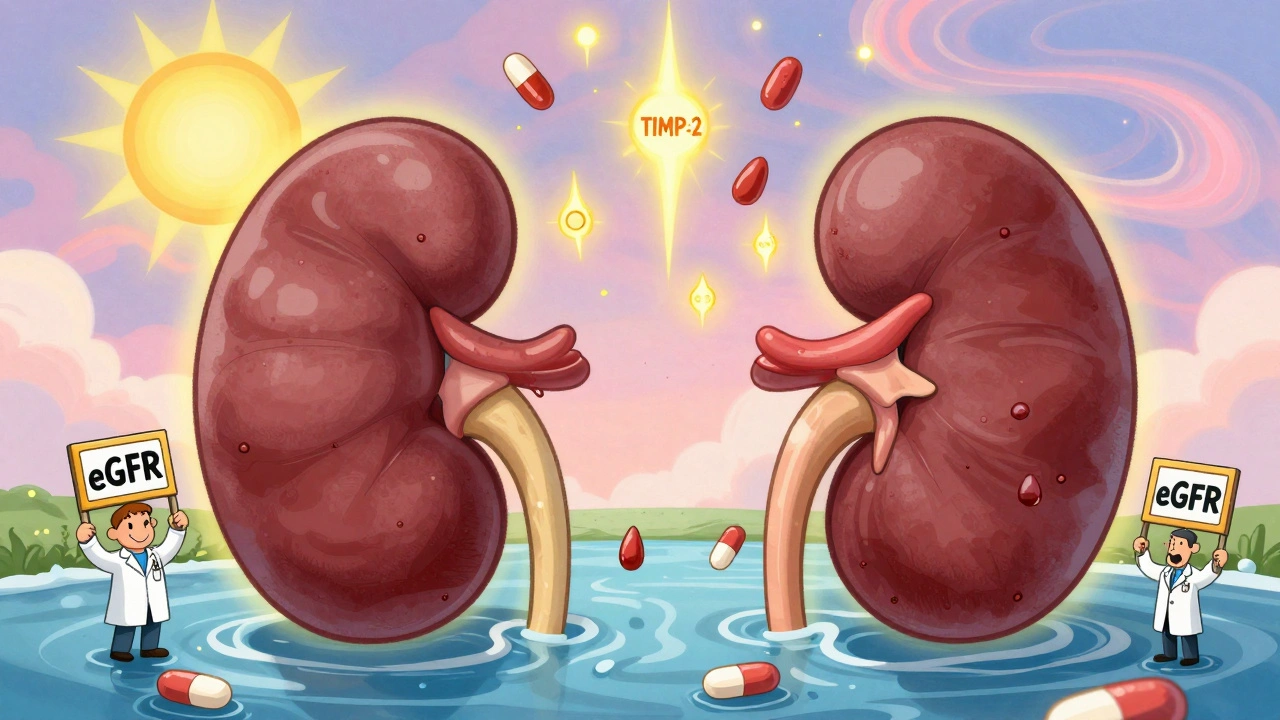
Heart Risks: When Treatment Turns Deadly
Some drugs don’t just stress your heart - they break it. Doxorubicin, a chemotherapy drug, causes heart failure in 26% of patients who get more than 450-500 mg/m² total. The damage builds slowly. You might feel fine during treatment. Then, months later, you’re breathless climbing stairs. It’s irreversible. That’s why doctors track your ejection fraction with echocardiograms every 2-3 months. If it drops below 45%, or falls more than 15 points from baseline, you stop the drug. No exceptions. Immune checkpoint inhibitors - the new cancer immunotherapies - cause myocarditis in less than 1% of patients. But when it happens, 40-50% die. Why? Because the immune system, unleashed to attack cancer, turns on the heart. Symptoms mimic a heart attack: chest pain, palpitations, fatigue. And it hits fast - 72% of cases occur within the first 90 days. If you’re on these drugs and feel unusual fatigue or heart racing, get checked. Now. Even antibiotics can be dangerous. Fluoroquinolones like ciprofloxacin increase the risk of aortic aneurysm by 31% with just 60 days of use. The exact reason? They weaken collagen in blood vessel walls. That’s why they’re now avoided in older adults, especially those with a history of aneurysms or connective tissue disorders. QT prolongation is another silent killer. Drugs like haloperidol and ziprasidone can stretch the heart’s electrical cycle, leading to torsades de pointes - a deadly arrhythmia. Ziprasidone adds 16.4 milliseconds on average. That might sound small. But in someone with low potassium or other heart meds, it’s enough to trigger cardiac arrest.Neurologic Side Effects: Brain and Nerves Under Fire
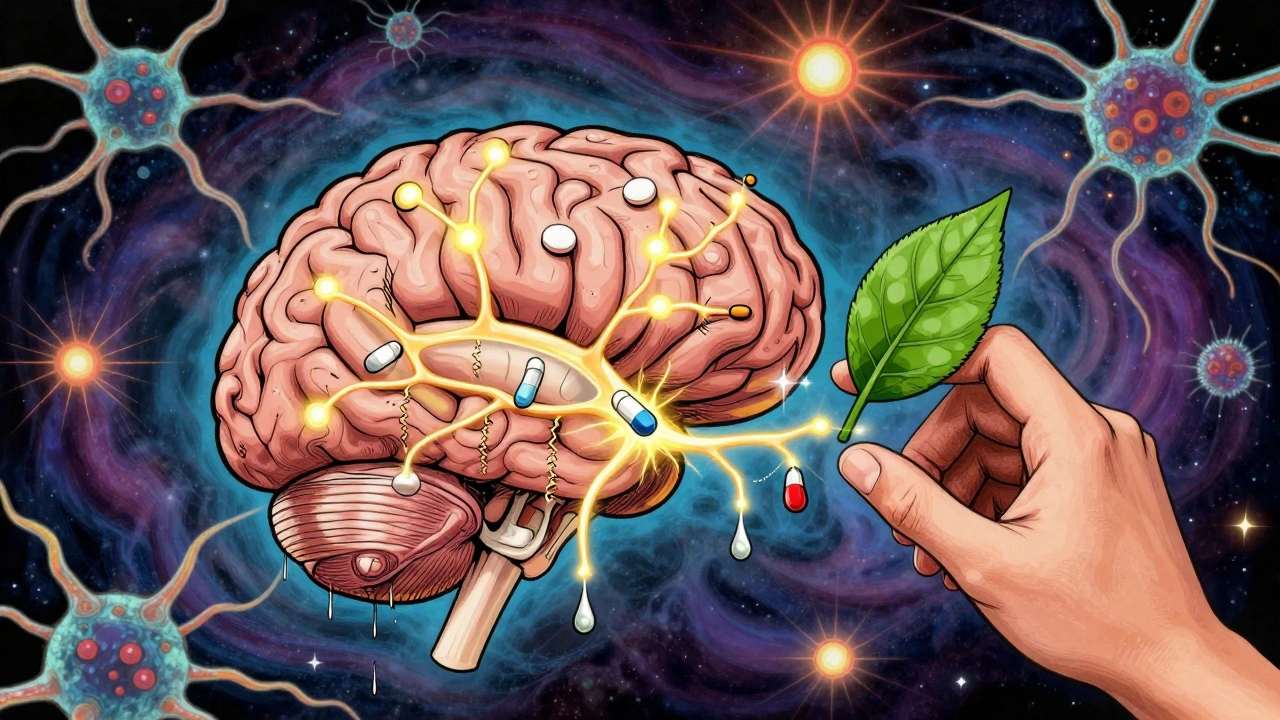
Your nervous system is delicate. And many drugs don’t respect that. Platinum-based chemo drugs like cisplatin and oxaliplatin cause nerve damage in 30-95% of patients. Cisplatin leads to permanent numbness and tingling. Oxaliplatin? It causes acute, freezing pain during infusion - like holding ice in your hands. It’s not cold sensitivity. It’s the drug messing with sodium channels in nerves. Proton pump inhibitors (PPIs) - the acid reducers you take daily - are linked to a 21% higher risk of dementia after 4.4 years of use. That’s not a correlation. That’s a hazard ratio from a 5-year study tracking 5,700 people. The theory? PPIs may interfere with brain metabolism or increase amyloid buildup. We don’t know for sure. But the risk climbs with every year you take them. Antiepileptic drugs like phenytoin can cause cerebellar atrophy - shrinking of the part of the brain that controls balance. It happens in up to 40% of long-term users with levels over 20 mcg/mL. The damage shows up as unsteady walking, slurred speech, tremors. And it’s often permanent. Immune checkpoint inhibitors also attack nerves. About 3.8% of users develop complications like myasthenia gravis, Guillain-Barré syndrome, or encephalitis. These are autoimmune attacks on nerves. Symptoms? Muscle weakness, paralysis, confusion. They’re rare - but deadly if missed.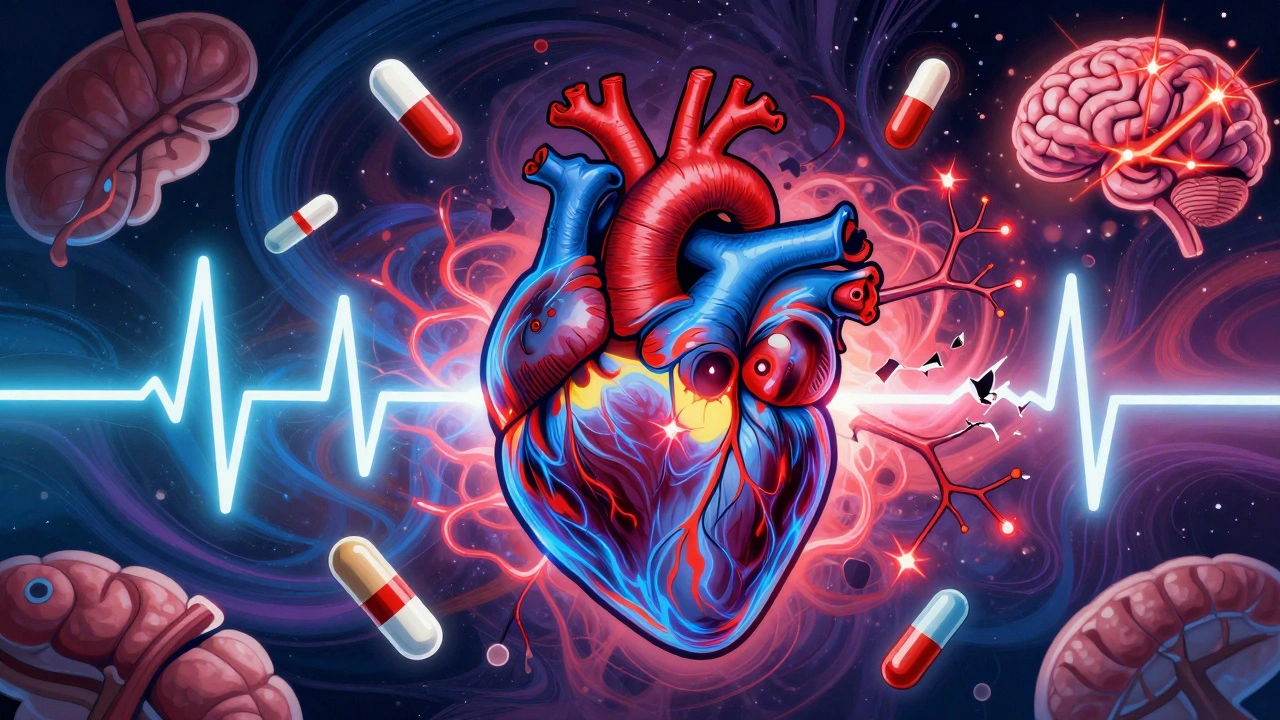
What You Can Do
Knowledge is power. Here’s how to protect yourself:- Know your meds. Ask your doctor: “What organs does this drug affect? What signs should I watch for?”
- Get baseline tests. Before starting any new drug, ask for liver enzymes, kidney function (creatinine, eGFR), ECG (for QT risk), and neurological baseline if you’re on chemo or long-term PPIs.
- Track symptoms. Fatigue, dark urine, swelling in ankles, tingling in fingers, heart palpitations - don’t ignore them. Write them down.
- Don’t self-medicate. NSAIDs, acetaminophen, and herbal supplements add up. Two painkillers a day for months? That’s a recipe for organ stress.
- Ask about alternatives. Is there a drug with less liver or kidney risk? Is there a lower dose that works?
Richard Eite
December 11, 2025 AT 01:23My uncle died from statin-induced liver failure and no one warned him
They don't care as long as they get paid
Katherine Chan
December 11, 2025 AT 07:32So many people think meds are just magic pills
But your body is a whole system and everything connects
Love that you included the biomarkers too
This is the kind of info that saves lives
Philippa Barraclough
December 12, 2025 AT 04:02The reliance on ALT and creatinine as primary biomarkers remains problematic given their lack of sensitivity in early-stage injury
Emerging markers such as microRNA-122 and TIMP-2/IGFBP7 demonstrate superior predictive value, yet their adoption remains inconsistent across healthcare systems
Furthermore, the genetic polymorphisms influencing drug metabolism, particularly in acetylation and transporter genes, are frequently overlooked in routine clinical practice
This necessitates a paradigm shift toward preemptive pharmacogenomic screening, especially for long-term therapies
Tim Tinh
December 13, 2025 AT 15:32I was on ibuprofen for years for back pain and never knew it was slowly killing my kidneys
My doc never mentioned it
Now I'm on turmeric and yoga and my creatinine is back to normal
Thanks for sharing this
Olivia Portier
December 15, 2025 AT 08:24People think if it's sold over the counter it's safe
But acetaminophen? That's the silent killer
And PPIs? My grandma took them for 10 years and now she's got memory issues
We need to talk about this more
Thanks for writing this
Jennifer Blandford
December 16, 2025 AT 13:16And no one told me it could be permanent
Now I can't hold my grandkids without wincing
But hey at least I'm alive right?
Still... this should be common knowledge
Brianna Black
December 17, 2025 AT 06:48Pharmacovigilance protocols are reactive rather than proactive, and patient education is often relegated to pamphlets in waiting rooms
Without systemic reform, these preventable injuries will continue to proliferate
Shubham Mathur
December 18, 2025 AT 13:22Like seriously
My cousin got isoniazid and his liver went crazy
Turns out he's a slow acetylator
But no one asked
They just kept giving him the pills
This is criminal
Ruth Witte
December 19, 2025 AT 00:23But also grateful I read this
Going to ask my doc for the baseline tests tomorrow 🙏
Darcie Streeter-Oxland
December 19, 2025 AT 01:23Furthermore, the assertion that '44% of people with NSAID-related kidney damage don't feel a thing' lacks citation of the original epidemiological study
While the content is generally accurate, the lack of scholarly referencing undermines its academic credibility
Taya Rtichsheva
December 19, 2025 AT 21:09You're telling me my daily omeprazole is slowly turning my brain into mush
And my ibuprofen is quietly murdering my kidneys
And my statin is just waiting for the right moment to give me a heart attack
Great
So what's the point of living anymore
om guru
December 21, 2025 AT 07:57Medication is not a simple solution
It is a complex interaction between chemistry and biology
Understanding the mechanism of toxicity is not optional
It is the foundation of responsible healthcare
Always consult your physician and request appropriate monitoring
Your life depends on it